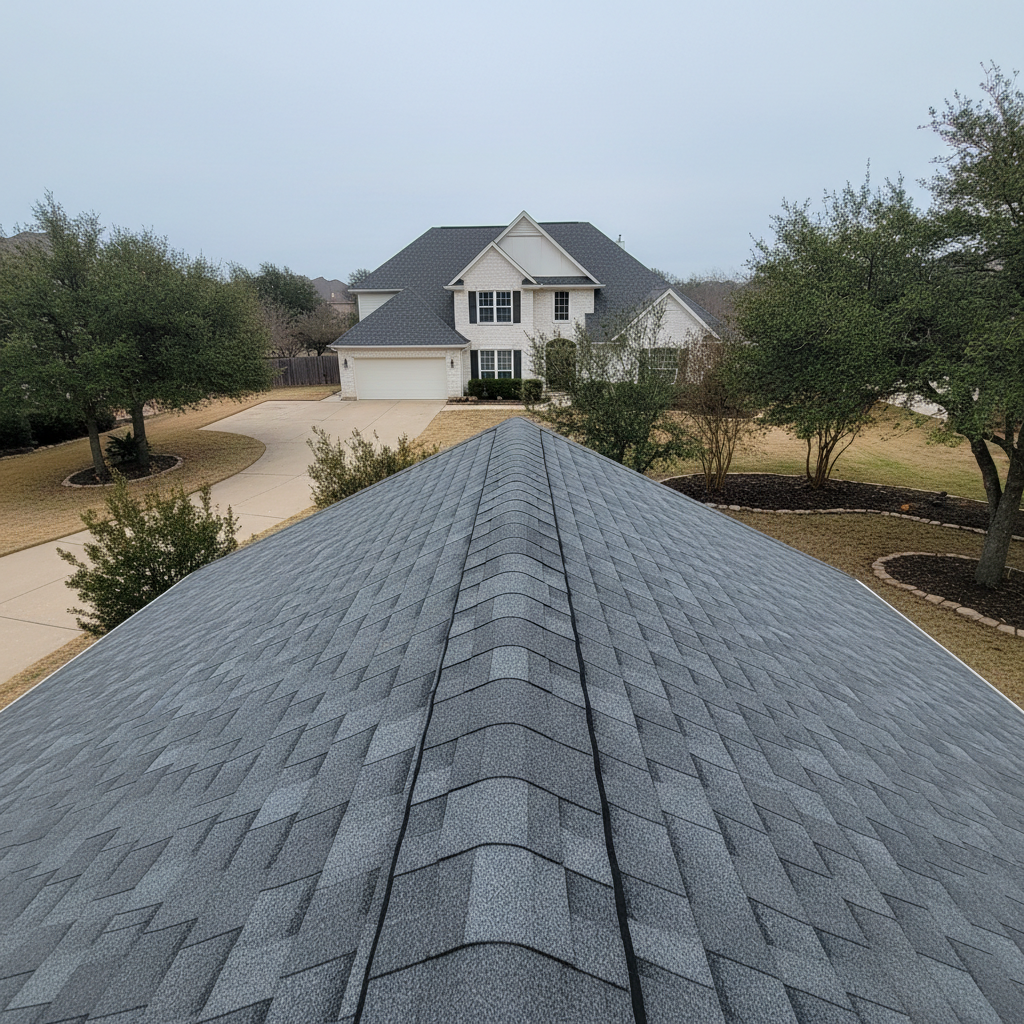
Socorro sits in a part of Texas where the roof over your head does different work than a roof in Houston or Dallas. The sun is harder here, the rain comes all at once or not for months, and hail shows up out of nowhere in a town that doesn't see winter the way the rest of the state does. Picking a roofing contractor in this kind of climate matters more than picking a cheap one. Here's what actually separates a contractor worth hiring from one you'll be calling back in two years.
License and insurance, and what each one actually protects
Texas doesn't require a state roofing license the way some states do, which means almost anyone can put a sign on a truck and call themselves a roofer. What you can check is general liability insurance and workers' comp. Ask for a certificate of insurance, not just a verbal yes. If a worker falls off a two-story roof on your property and the crew has no comp coverage, that claim can land on your homeowner's policy. Ask for proof, and call the insurer listed to confirm the policy is active, not expired six months ago.
Manufacturer certification is the other thing worth asking about. GAF, Owens Corning, and CertainTeed all run installer programs that come with extended warranties, but only if the crew follows their nailing pattern and ventilation specs to the letter. A roof installed outside those specs can void the manufacturer warranty even if the shingles themselves are fine.
What the desert actually does to a roof out here
Socorro and the rest of the El Paso valley get well over 300 days of sun a year, and UV exposure breaks down asphalt shingles faster than it does in a cloudier climate. A 30-year shingle out here often performs closer to 20, especially on a south or west-facing slope that bakes all afternoon. A contractor who understands that will talk to you about attic ventilation, not just shingle color, because trapped heat under the decking is what cooks a roof from underneath.
Then there's the other half of the year. Monsoon season, usually July through September, can dump an inch of rain in under an hour after months of almost nothing. That kind of downpour finds every weak flashing point around a chimney or skylight right away. Hailstorms aren't rare here either. El Paso County has had hail events large enough to damage roofs across whole neighborhoods at once, and when that happens, a wave of out-of-town crews shows up overnight. Some are fine. Several are gone before a problem ever shows up.
Wind is the one people forget. Spring brings sustained wind and dust storms strong enough to lift poorly nailed shingles at the tab. Code calls for six nails per shingle in high-wind areas instead of four, driven flush, not overdriven and not left proud. That's a detail you can't see from the ground once the job's done, which is exactly why who you hire matters more than which shingle you pick.
Permits and what gets inspected
A full roof replacement in Socorro usually needs a building permit, pulled through the city if the property sits inside city limits, or through El Paso County if it's in one of the unincorporated areas nearby. A legitimate contractor pulls that permit themselves and builds the cost into the bid. If someone offers to skip the permit to save you money, that's not a discount, that's a contractor who doesn't want an inspector looking at the decking.
Inspections on a reroof usually check the decking condition, the underlayment, flashing around penetrations, and the nailing pattern before the shingles go on and sometimes after. Older homes near the historic mission district still have 1x board decking instead of plywood, and a good contractor will flag rotten boards and replace them rather than nailing new shingles over soft wood. Newer subdivisions built over the last couple of decades usually run 7/16-inch OSB decking, which holds up fine unless a slow leak has been sitting on it for years.
Signs you should walk away
- A door knocker who shows up right after a hailstorm with an inspection already scheduled before you called anyone. Out-of-state storm chasers are a known pattern after Texas hail events, and many are gone before a warranty claim would ever come due.
- A bid that's a single number with no breakdown of materials, no mention of decking replacement, and no line for underlayment or ventilation.
- Pressure to sign an insurance assignment of benefits form on the spot, before your own adjuster has even looked at the roof.
- Full payment demanded upfront in cash. A deposit for materials is normal. Paying the whole job before a single shingle is on the roof is not.
- No local address, or a phone number that rolls to voicemail with a generic greeting. You want someone you can find again in eighteen months if a flashing fails.
What a real bid looks like
A written estimate should name the shingle or material brand and type, the underlayment, the drip edge metal, and whether they're adding or correcting ridge vents or soffit vents. Synthetic underlayment has mostly replaced old 15-pound felt for good reason, so ask which one is on the bid. It should say how many squares of roofing the job covers and what the decking replacement rate is if they find rot, usually priced per sheet so there are no surprises mid-job. It should include cleanup and a magnetic nail sweep of the yard, which matters more than people think when there are kids or dogs around.
Get at least two bids, maybe three. A wide spread in price usually means someone is cutting corners on underlayment, skipping the permit, or bidding a patch where the job actually calls for a full tear-off. A roof inspection before you even get to the bid stage is worth paying for on its own, especially on a house you're about to buy or one that's 15 to 20 years into its shingle life.
We've worked on roofs across Socorro and the surrounding towns long enough to know which streets still have decking from the 1980s and which subdivisions went up with builder-grade shingles that are already due. If you want a straight look at what's actually going on up there before you sign anything, Pinnacle Roofing Solutions will walk the roof with you and tell you if a repair holds or if it's time for a full tear-off.